Empowering Survivors: Essential Strategies and Support in Cancer Care
Navigating the treacherous waters of cancer recovery can feel like sailing through a storm without a compass. Survivors often find themselves searching for support and guidance amid the chaos. It's essential to recognize that while the diagnosis of malignancy can shake the very foundation of one’s life, there are strategic support systems designed to empower cancer survivors. In this health blog, we will uncover the key pillars of cancer care that can help you navigate through the complexities of survivorship, bringing hope and clarity to an uncertain future.
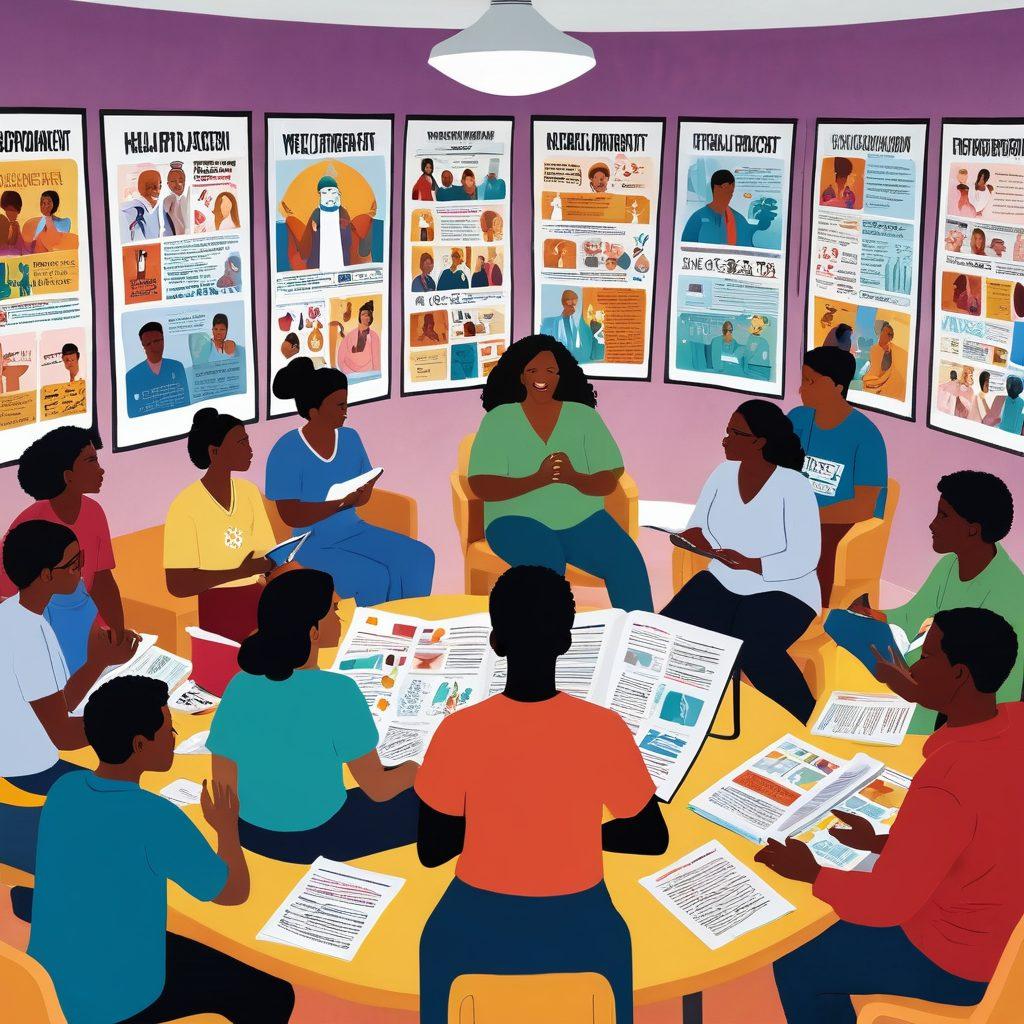
One of the most vital components in a cancer survivor's journey is the role of support groups. Imagine walking into a room filled with others who share your journey—a place where emotions are raw, and understanding is abundant. These support groups can provide a sounding board for those aching to talk about their experiences with treatment options, clinical trials, healthcare access, and lifestyle changes. As the saying goes, "a burden shared is a burden halved." This community can foster healing through shared stories, laughter, and sometimes tears, making the journey a tad lighter.
But support systems extend beyond just emotional support. Awareness campaigns and advocacy play a crucial role in educating not only survivors but also the general public about cancer screenings, diagnostic tests, and the importance of early detection. For someone recovering from cancer, knowing that there are ongoing efforts to improve cancer education and access to medical research can be a true lifeline. So, how do you get involved? Seek out resources that connect you with organizations focused on this advocacy, or even take a step further and become an advocate yourself—because every voice matters in the fight against cancer.
Wellness strategies are another cornerstone to consider. Implementing lifestyle changes can not only improve physical health but also enhance emotional resilience. Think about the small health tips that can make a big difference: nourish your body with whole foods, embrace the power of movement through gentle exercise, or practice mindfulness through meditation. These changes might seem simple, yet they have profound effects on overall well-being. Have you ever noticed how a brisk walk on a sunny day can elevate your mood? This is the magic of intentional living in action. By prioritizing wellness, survivors can reclaim their power and cultivate a sense of agency over their lives after cancer.
Lastly, the significance of survivorship programs cannot be overstated. Programs that provide patient resources tailored to the unique needs of survivors are invaluable. They offer access to educational workshops, nutritional counseling, and wellness initiatives that nurture the body and soul. Whether it’s through a local community center or an online platform, these programs can serve as guiding stars in the overwhelming sky of post-cancer life. Remember, you are not alone in this journey; there are supports and strategies designed to help you thrive. So as you navigate through this storm, ask yourself: what steps can you take today to reinforce your support systems and enhance your survivorship experience?
Transforming Treatment: Wellness Strategies to Enhance Survivorship
In the face of a cancer diagnosis, a transformative journey begins—one that can shape not only the perception of health but the very essence of life itself. As survivors navigate the challenging landscape of cancer care, they are not just battling malignancies and tumors; they are also discovering pathways to enhanced wellness that can redefine their lives. Wellness strategies in cancer care are about more than just surviving; they are about thriving in a post-treatment world. So what does it take to transform treatment into a journey of holistic healing and empowerment?
First and foremost, cancer care is no longer limited to traditional medical interventions. Today, advocacy for comprehensive care has led to the emergence of survivorship programs, which emphasize the importance of lifestyle changes that support long-term health. From dietary adjustments to physical activity, these patient resources illustrate the role of proactive health tips in promoting recovery. Have you ever considered how something as simple as your breakfast could impact your body’s ability to heal? Imagine fueling your body with antioxidants that fight cancer recurrence while savoring every bite—this is the essence of transformative care.
Support groups play an essential role in this journey, providing survivors with a platform to share experiences, challenges, and triumphs. Clinical trials and medical research continue to uncover innovative treatment options, but the emotional and psychological aspects of survivorship are just as critical. Engaging with a community of like-minded individuals can offer a sense of solidarity and belonging that often feels elusive in the face of uncertainty. The power of shared stories can ignite hope in even the darkest corners of one’s journey—so why not seek out these liberating connections?
Moreover, awareness campaigns and cancer education initiatives are vital in empowering survivors and their families. Being informed about diagnostic tests, cancer screenings, and the latest advancements in oncology can significantly impact one’s approach to personal health. Have you ever been part of a conversation on how knowledge leads to empowerment? Whether it’s joining a local awareness campaign or participating in discussions in a health blog, these interactions can foster a culture of informed advocacy that fuels one’s journey through cancer care.
Finally, the importance of personalized wellness strategies cannot be overstated. Each individual’s journey through cancer is unique, with specific needs and goals. Seeking tailored solutions—from nutritionist consultations to mindfulness practices—can enhance the overall quality of life. As you step into the future, how will you take charge of your wellness narrative? By championing your health and actively participating in your treatment options, you not only uplift yourself but also inspire others to redefine survivorship in ways that resonate deeply with the soul. This transformation is not only possible; it’s waiting for you to seize it.
From Awareness to Action: Empowering Patients Through Advocacy and Education
When it comes to cancer care, the journey from awareness to action is deeply personal yet universally significant. It starts with the flicker of acknowledgment – a diagnosis that changes your world and the world of the loved ones around you. The statistics are startling: nearly 40% of individuals will receive a cancer diagnosis in their lifetime. But with the right knowledge, advocacy, and support, this daunting reality can lead to empowerment. How do we transform fear into strength? How can we turn awareness into action for ourselves and others in the realm of oncology?
Education is pivotal in navigating the complexities of cancer treatment. From the initial diagnosis to understanding treatment options, knowing the ins and outs of malignancy is vital. Imagine standing in front of a wall of medical jargon, where terms like 'tumor,' 'cancer screenings,' and 'clinical trials' feel overwhelming. This is where advocacy comes into play. Informative campaigns not only raise awareness but also provide crucial insights into patient resources available to help individuals make informed decisions about their health. As the saying goes, "Knowledge is power," and in the context of cancer, it can be life-changing.
Support groups also form an invaluable pillar of strength for patients. They serve not just as a safety net but as a community of shared understanding and encouragement. In these spaces, individuals can openly discuss their struggles, celebrate achievements, and exchange health tips that transcend mere medical advice. With seasoned warriors at your side, navigating through treatment options and wellness strategies becomes less intimidating. Have you considered how a simple conversation could lead to transformative lifestyle changes? These connections remind us that we are not alone in our journey, but part of a resilient collective fighting against this disease.
The importance of preventive health cannot be underestimated. Awareness campaigns encourage regular diagnostic tests and highlight the significance of early detection. Everyone should feel empowered to step into a clinic, ask about cancer screenings, and share their family health history with their healthcare providers. By fostering a culture of proactive health management, we can dramatically improve outcomes, reduce incidences of cancer, and enhance our overall wellness. If you could inspire one person to seek preventive care, would you? The ripples of awareness can create waves of change.
Lastly, survivorship programs play a crucial role in the lives of those who have battled cancer. They extend beyond treatment, focusing on the holistic health of individuals post-recovery. These programs often include educational resources on lifestyle changes that promote long-term wellness, providing a bridge to a fulfilling life after cancer. It’s not just about surviving the illness; it’s about thriving in the midst of it. Each step taken towards advocacy and education is a step towards a brighter future for cancer patients and survivors. Together, let’s shift the narrative and foster an environment where empowerment thrives, creating an unstoppable force in the battle against cancer.